Knowledge Graph System of Hainan Wanning Malaria Control Framework
(Based on 100+ papers from National/Provincial/Wanning Teams, 1988 – 2018)
I. Core Theoretical Layer
1. Transmission Dynamics Theory
Key Concepts:
- Upland Exposure Infection Theory (Lin Minghe & Chen Wenjiang, 1999): Mountainous populations exposed to Anopheles dirus during overnight farming activities face 11.3 – 36.8× higher infection risk.
- Mobile Population Importation Model (Zhang Lixin & Li Haiping, 2004): Migrant workers' infection rate is 3 – 5× higher than locals, forming “import – diffusion” chains.
2. Environmental Drivers Theory
Key Concepts:
- Altitude – Climate Coupling Effect (Zeng Xiaolu, 2015): Every 100m altitude increase reduces incidence by 12.5%; transmission thresholds at >25°C monthly temp. & >200mm rainfall.
- Land Use Correlation: Rubber plantation expansion reduces mosquito breeding sites.
II. Key Technology Layer
1. Precision Diagnostics
- Blood Smear QC Network (Hu Yuluan & Zhuo Kairen, 2003): Standardized microscopy protocols raising accuracy from 60% to 90%.
- Co – infection PCR Detection (Lin Minghe & Wu Kaichen, 1999): Multiplex PCR for P. vivax/falciparum co – detection (sensitivity + 30%).
2. Drug Interventions
- Piperaquine – Primaquine 4 – Day Regimen (Lin Minghe et al., 1996): Mass drug administration achieving >85% coverage, relapse reduction 72%.
- Artemisinin Combination Therapy (ACT) Optimization:“Artemisinin + Piperaquine” and “Dihydroartemisinin + Naphthoquine” (Nanqiao Township Health Center, 2008 – 2012): 100% cure rate for drug – resistant P. falciparum.
3. Vector Control
- LLINs with Permethrin (1994): Treated bed nets reducing vector density by 95%.
- Breeding Site Eco – Management: Vegetation clearance to disrupt mosquito habitats.
III. Control Model Layer
1. “Three – Priorities” Targeted Control
- Priority Zones: Mountain farming areas/border villages (4.2× higher incidence).
- Priority Populations: Upland farmers, migrants, ethnic minorities.
- Priority Actions: Case reporting <24h, focus response <72h.
2. Health Education – Behavioral Intervention
- Community participatory education via Li ethnic festivals (“March 3”).
- Subsidized bed nets increasing usage from 28.6% to 72.6%.
3. Cross – Border Joint Prevention
- Real – time case sharing system (China – Myanmar border).
IV. Support System Layer
1. Data – Driven Decision Platform
- Remote Sensing – GIS Early Warning (Su Yongqiang, 2003): Integrates climate/land use/mobility data (>80% prediction accuracy).
- Risk Assessment Model (Mo Xiaotong, 2021): R0 – M index for importation – related resurgence risk.
2. Multi – Level Governance
- Province – City – Village Network: Provincial experts → City CDC → Village microscopy stations.
- Cross – Sector Collaboration: Health/agriculture/forestry joint breeding site management.
3. Sustainability Mechanisms
- Policy: Hainan Malaria Elimination Action Plan (2010 – 2020).
- Funding: 15.6% average annual growth for mountain – area programs (2000 – 2018).
- Workforce: “Dual – qualified” health workers (clinical + epidemiological skills).
Knowledge Graph Visualization
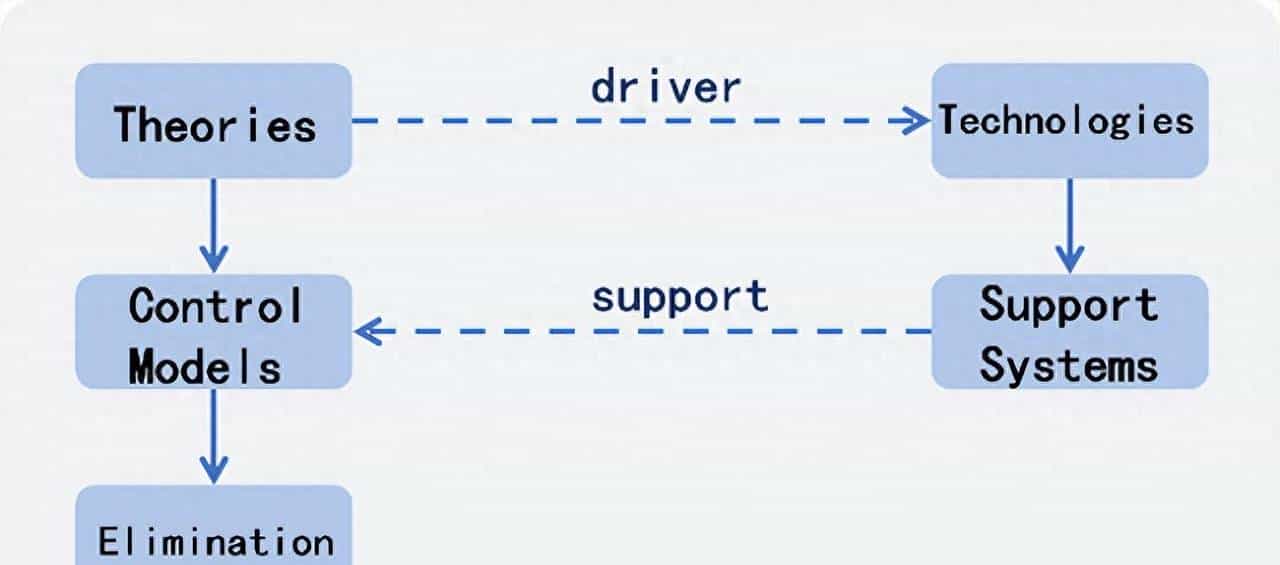
Key Relationships:
- Environmental Drivers → GIS Platform (data foundation)
- ACT Optimization → Cross – Border Coordination (drug resistance breakthrough)
- Mobile Population Model → “Three – Priorities” Targeting (high – risk group focus)
项目负责人:许晓艺 陈宏任
广东职业教育信息化研究会 2025年12月8日
© 版权声明
文章版权归作者所有,未经允许请勿转载。
相关文章




暂无评论...